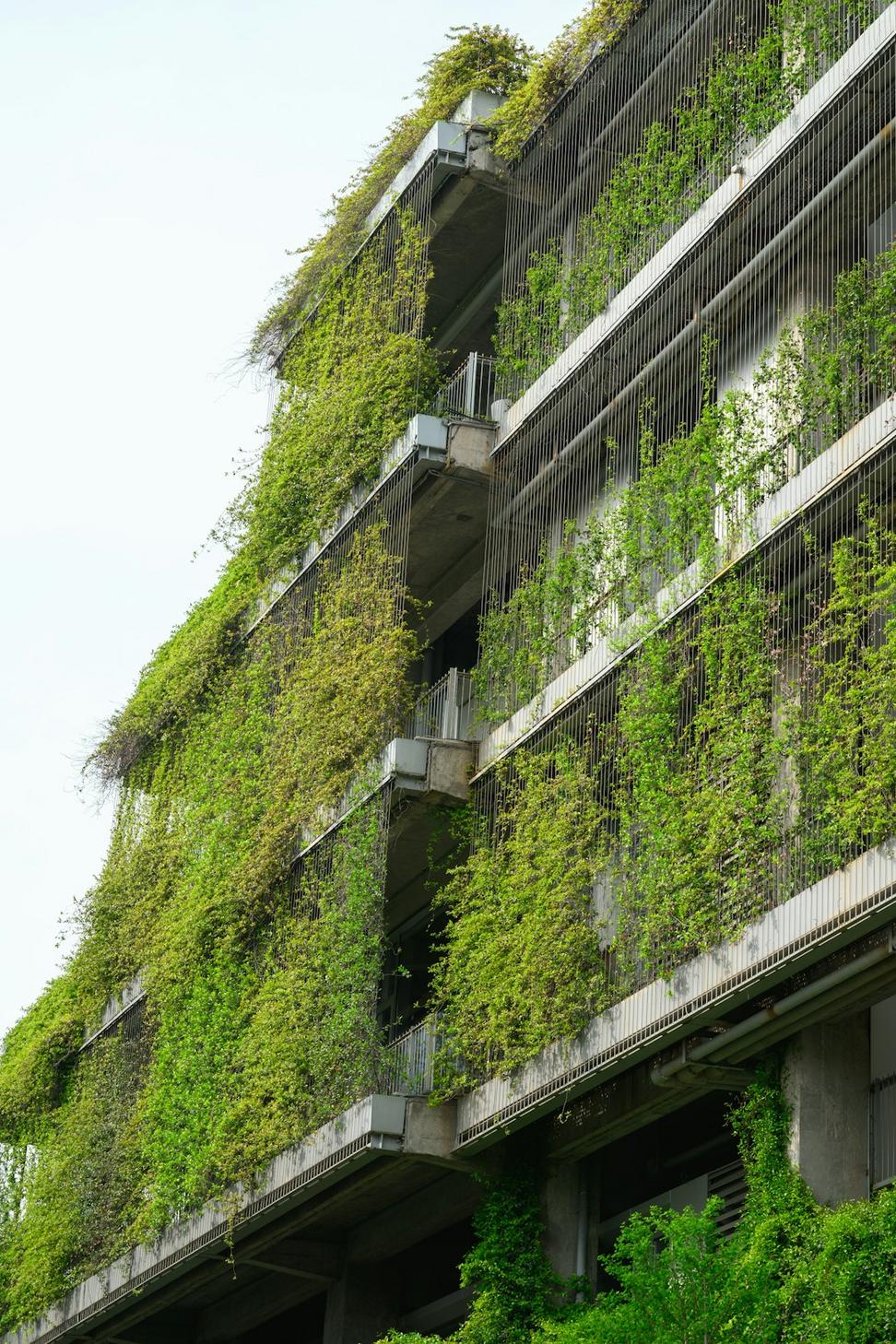
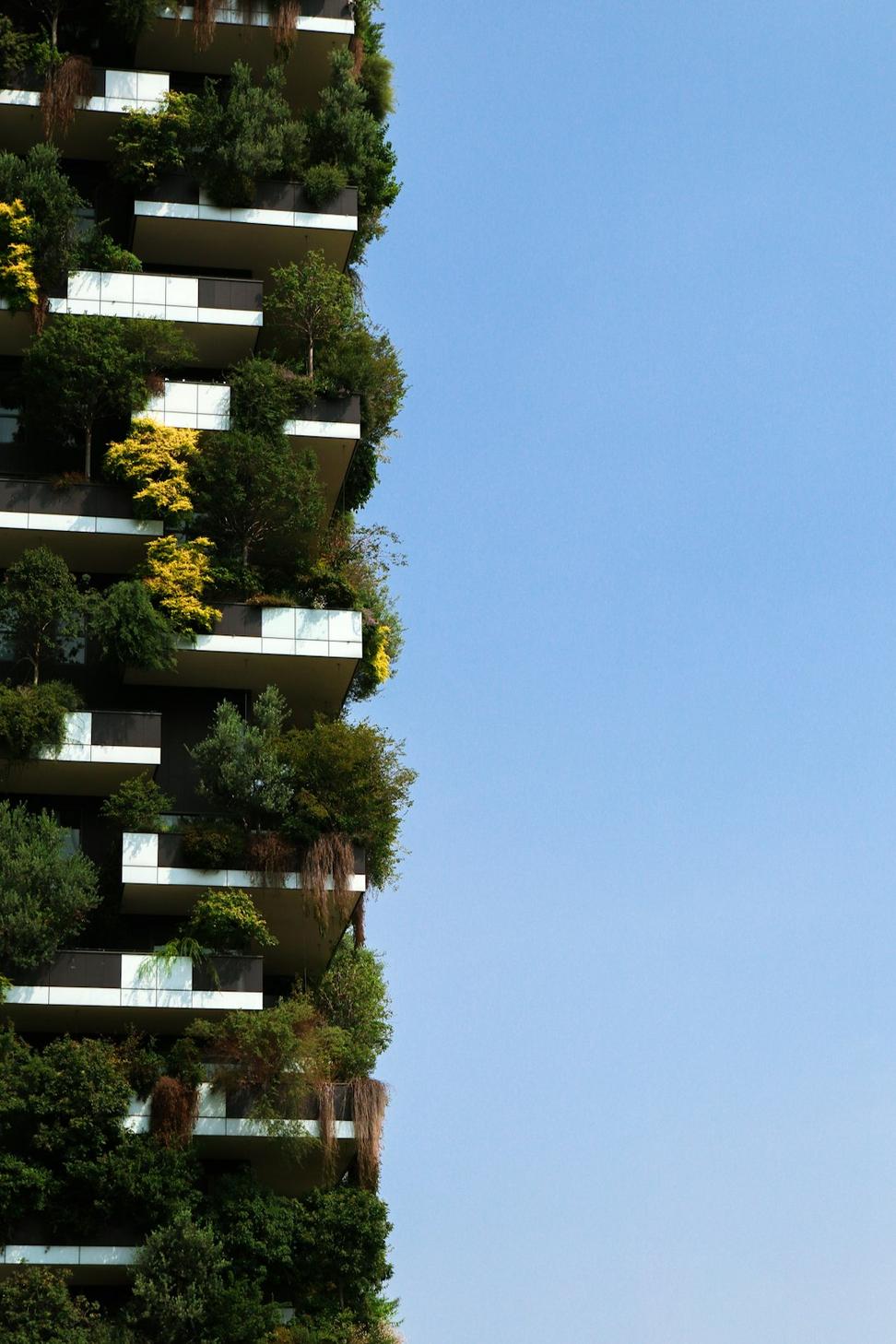
Look, we've been at this sustainability thing since way before it was the trendy move. Started back in 2008 when everyone thought we were a bit nuts for pushing solar panels and green roofs on every project. Now? It's just how we roll.
We don't do greenwashing. Every decision we make gets tested against real-world performance data. Been tracking energy consumption on our buildings for over a decade now, and the numbers don't lie.
Yeah, we've got the paperwork - LEED AP certified team members, CaGBC accreditation, the whole nine yards. But honestly? The real proof is when clients come back five years later saying their energy bills are half what they expected.
kWh saved annually
Tonnes CO2 offset yearly
Construction waste diverted
These aren't marketing fluff pieces - real buildings, real results, real lessons learned.
Client wanted a family home that didn't compromise on comfort. We gave 'em a 3,200 sq ft house that uses less energy than their previous 1,800 sq ft condo. No joke.
What worked: Triple-pane windows, geothermal heating, 8kW solar array, rainwater collection for irrigation. The green roof was a pain during construction but worth every headache.
What we learned: Convincing contractors to actually follow air-sealing specs takes patience. We had to redo the envelope testing twice, but got to 0.6 ACH50 in the end.
Adaptive reuse of a 1920s warehouse. Everyone said net-zero wasn't feasible with heritage constraints. Took us 18 months of iterations, but we proved 'em wrong.
What worked: Kept the original masonry, added internal insulation (carefully), rooftop solar farm generating 180MWh/year, ground-source heat pumps, daylighting throughout.
What we learned: Working with heritage boards requires serious documentation. Also, explaining to tenants why their thermostats are "smart" and won't let them crank heat to 25°C takes diplomacy.
City wanted a 15-year development framework for a mixed-use area. We pushed hard for car-free zones and green corridors. Some developers weren't thrilled, but the community feedback's been incredible.
Key strategies: Bioswales instead of storm sewers, district energy system serving 12 buildings, mandatory green roofs, protected cycling infrastructure. Still being rolled out but early results look solid.
Been testing different materials and systems since we started. Some work great, some... not so much. Here's what actually performs in Canadian climate.
CLT and glulam when we can. Carbon sequestration plus structural performance - it's a win-win. Working with suppliers in BC and Quebec mostly.
We're talking R-40+ walls, R-60+ roofs. Yeah, it's overkill by code standards, but heating costs in Toronto winters aren't getting cheaper. Plus airtightness under 1.0 ACH50 - that's non-negotiable.
Solar PV on every project where it makes sense (south-facing roofs, minimal shading). Geothermal when budgets allow. Been experimenting with solar thermal too - jury's still out on payback periods.
Rainwater harvesting, greywater systems, low-flow everything. One project cut water use by 60% and the clients barely noticed the difference in daily life.
Sourcing within 800km when possible. Got a great network of salvage yards and mills. That heritage warehouse project? 70% of interior finishes were reclaimed materials.
Initial costs are higher. There's no getting around it. We're usually talking 8-15% premium upfront. But here's the thing - payback periods on our projects average 7-12 years through energy savings alone. And buildings last 50+ years.
Also? Property values. Our LEED-certified projects resell at 12-18% premiums compared to conventional builds in the same neighbourhoods. Market's finally catching up to what we've been saying all along.
Average ROI on sustainable features
We're big believers in sharing knowledge. Architecture shouldn't be gatekept.
We've put together a 40-page guide on passive house principles adapted for Ontario's climate. Free to download, use it however you want.
Download PDFBasic calculator for estimating energy performance and payback periods. Not as detailed as professional software, but good for early-stage planning.
Try CalculatorWe host free sessions on various topics - material selection, energy modeling, dealing with contractors who think you're crazy. Join the mailing list.
Sign UpAnnual reports on how our buildings actually perform vs. design predictions. The good, the bad, and the "we need to figure out what went wrong."
View ReportsCurrently working on three net-zero projects and one living building challenge submission. Also partnering with U of T's architecture school on a research project about embodied carbon in mass timber construction.
Climate's not getting any easier to deal with. We're spending more time on resilience design - how buildings handle extreme heat, flooding, power outages. That stuff's gonna matter more than LEED points in the next decade.
Always looking to collaborate with engineers, contractors, and material suppliers who actually give a damn about performance, not just checking boxes.
Let's Talk About Your Project